Protecting a Legacy While Creating New Opportunities
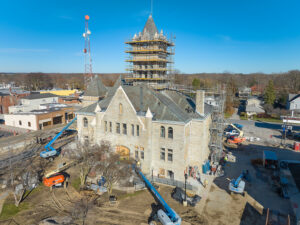
Built in 1895, the Pulaski County Courthouse has anchored downtown Winamac for generations. The courthouse is one of Pulaski County’s most recognizable landmarks and a symbol of the community’s history. But after decades of cumulative decline, county leaders faced a critical choice: demolish a historic landmark or invest in its future.
When discussions began about the building’s future, county leaders, preservation advocates, and community members shared a common goal: preserve the courthouse’s historic character while ensuring it could continue serving the public for generations to come.
Following the Justice Center Renovation and Expansion, Pulaski County once again trusted Tonn and Blank to deliver a restored and modernized courthouse renovation.
Balancing Preservation, Performance, and Budget
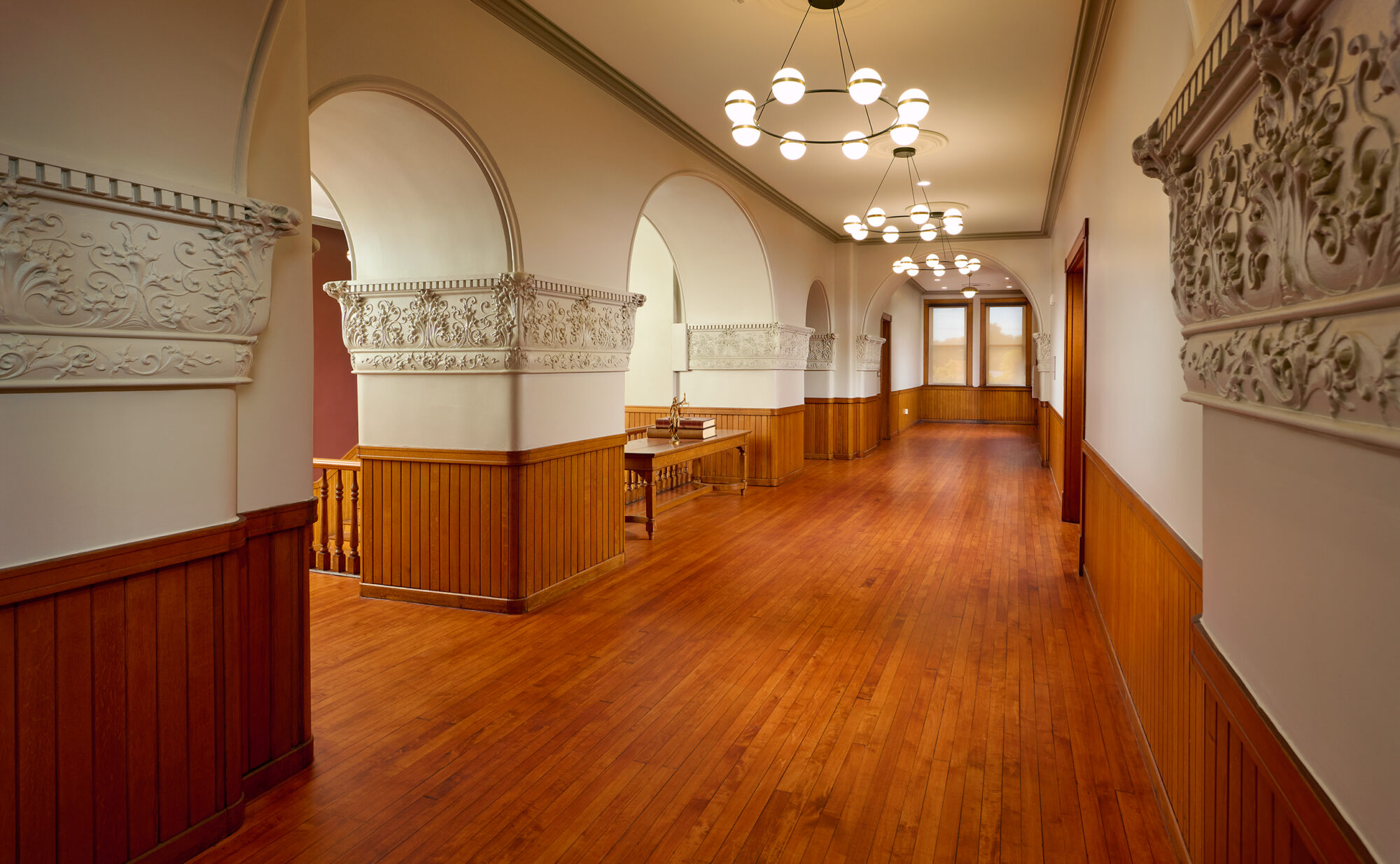
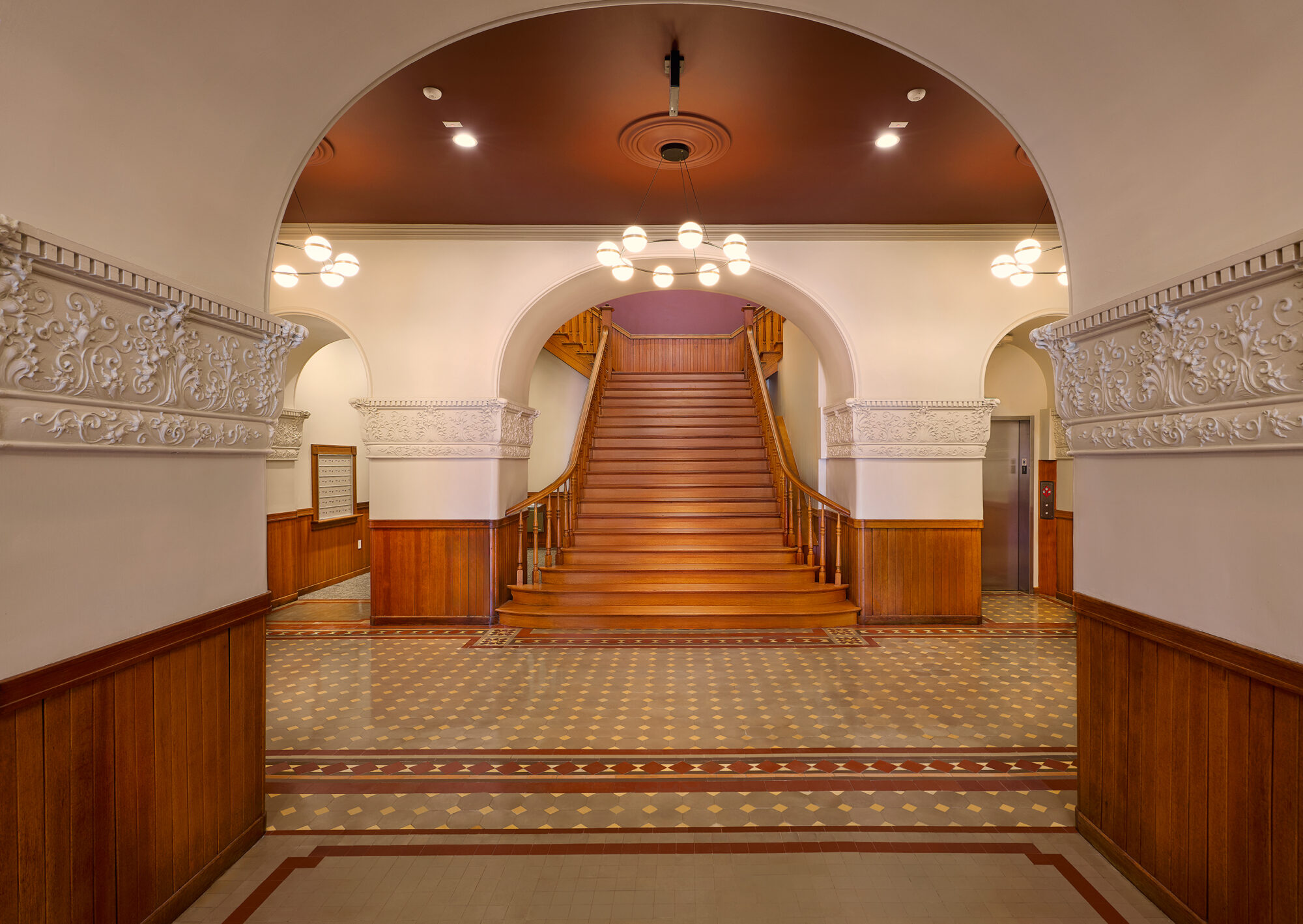
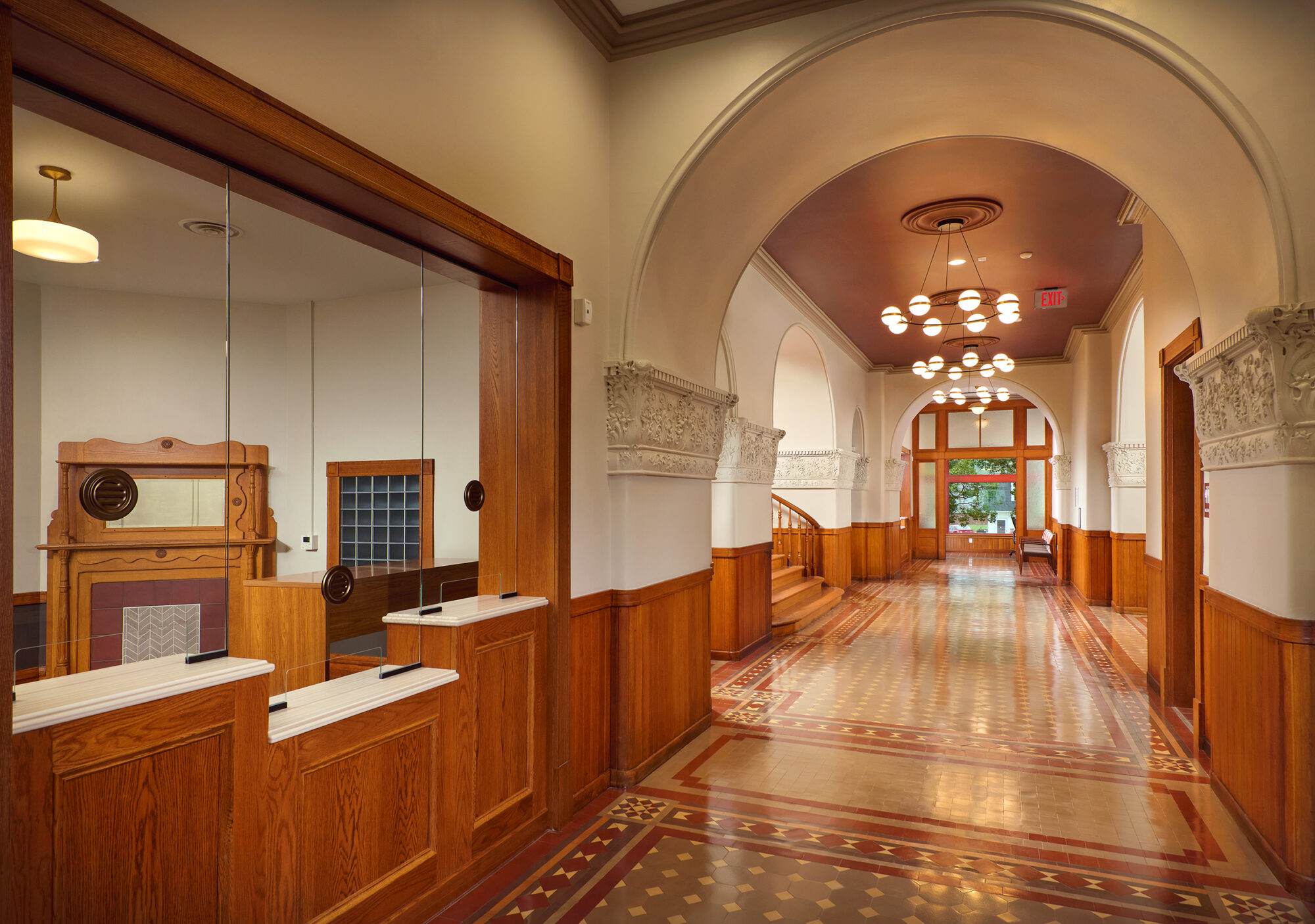
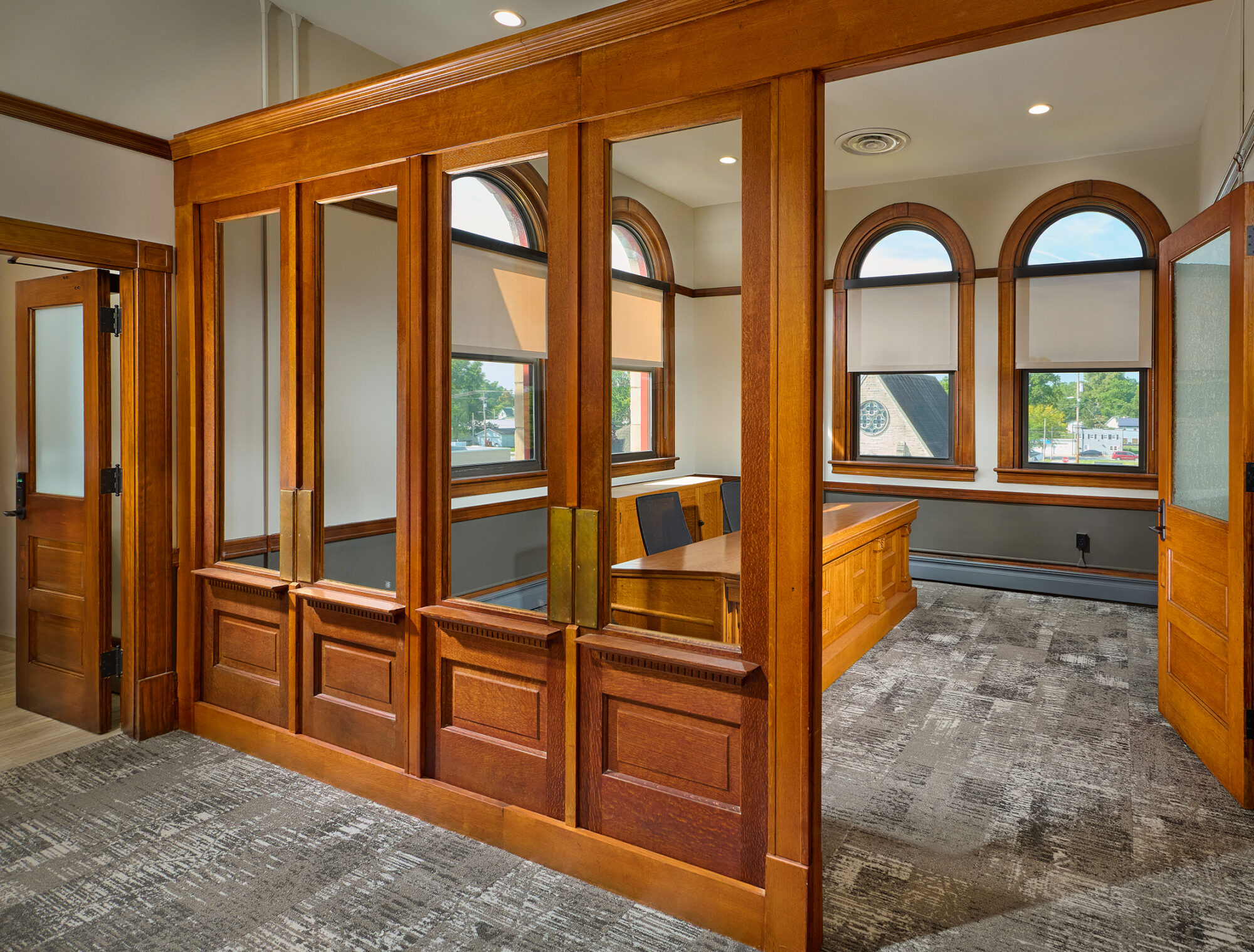
The Pulaski County Courthouse needed significant upgrades. Water infiltration had damaged portions of the building, mechanical and electrical systems had been patched together over generations, underground plumbing issues persisted, and accessibility no longer met the needs of the public. At the same time, many of the building’s defining features, including historic woodwork, flooring, doors, plaster, and finishes, were fragile, irreplaceable, and required careful preservation throughout construction.
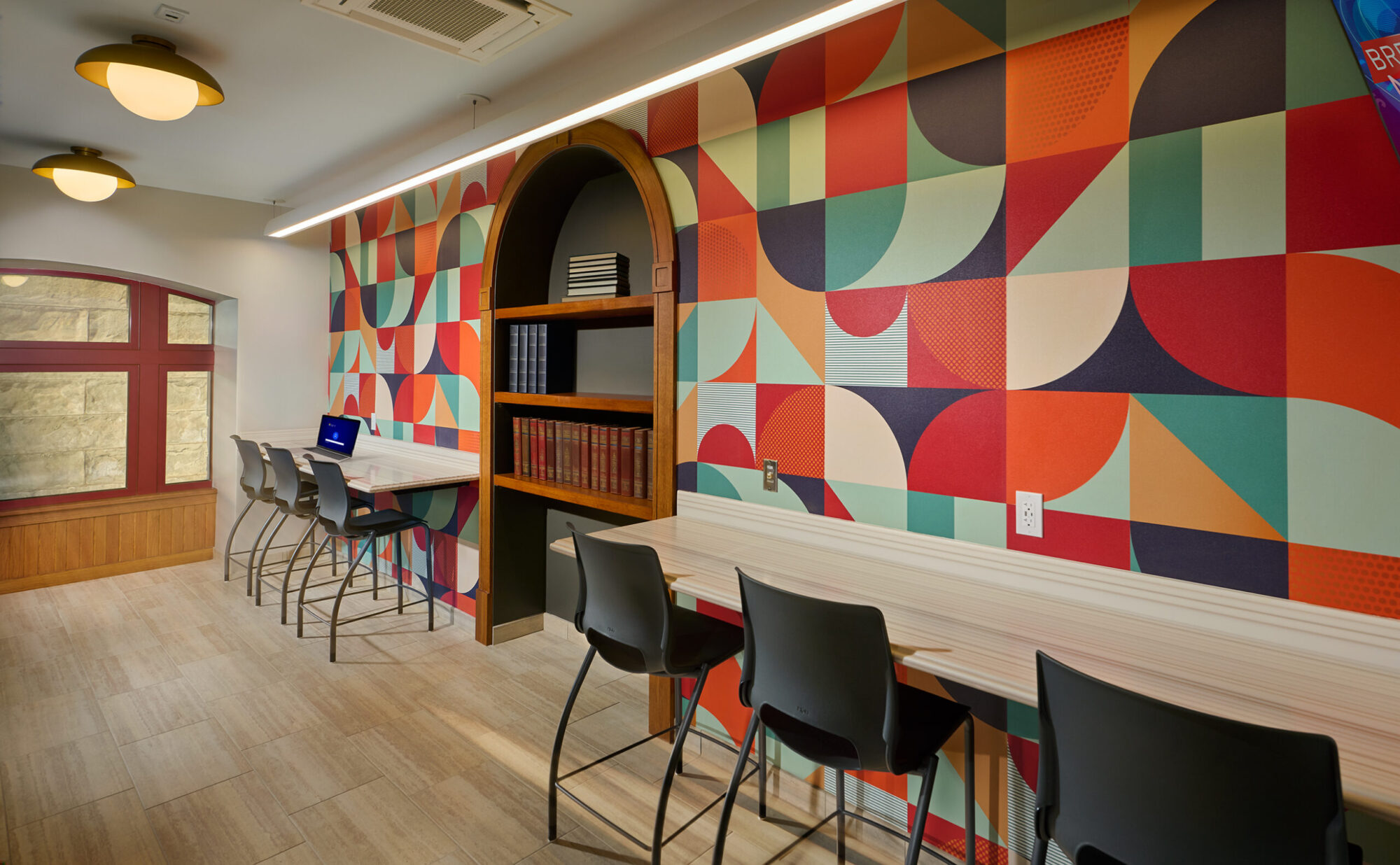
The challenges extended beyond the building itself. Early pricing exceeded available funding by nearly 30%, forcing the team to identify solutions that reduced costs without sacrificing the courthouse’s long-term future. Working closely with the owner, design team, and trade partners, Tonn and Blank helped identify value-driven alternatives that brought the courthouse renovation within budget while maintaining key features of the building, including restoring existing windows, flooring, and architectural features instead of replacing them.
Historic renovations rarely reveal all their challenges upfront. Through detailed preconstruction planning and constant field coordination, the team navigated unforeseen conditions while protecting the building’s historic character. Many of the project’s most successful outcomes came from preserving and repurposing existing materials rather than replacing them.